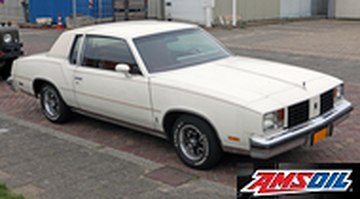
Lubrication Maintenance for the 1980 Oldsmobile CUTLASS 5.7L Diesel
Maintaining a diesel engine requires a disciplined approach to fluid management and routine inspections. For the 1980 Oldsmobile CUTLASS equipped with the 5.7L diesel engine, consistent attention to lubrication quality and system integrity is essential for long-term operation. Because diesel engines operate under different thermal and mechanical stresses than gasoline counterparts, following a structured maintenance plan helps ensure the vehicle remains in reliable condition.
Monitoring Fluid Integrity and Condition
A primary aspect of diesel engine care involves regular observation of the lubricant's physical state. The appearance and consistency of the oil can provide important clues regarding the engine's internal health. When performing routine checks, it is useful to look for any significant changes in the fluid's color or texture.
If the lubricant appears excessively dark or contains visible particulates, it may indicate that the service interval has been exceeded or that the filtration system requires attention. Furthermore, any unusual odors or a milky appearance in the oil can be associated with various internal conditions and should be investigated promptly. Rather than attempting to diagnose a specific mechanical failure based on these visual cues alone, owners should treat such observations as prompts for a more thorough professional inspection.
Regularly checking the level of the lubricant is also a fundamental task. Maintaining the correct volume helps prevent air from entering the system and ensures that all moving parts receive adequate coverage during operation. If you notice the level dropping between service intervals, this warrants an investigation into potential sources of loss.
Systematic Inspection of Seals and Connections
As vehicles age, the materials used in various gaskets and seals can undergo changes due to heat cycles and time. For a 1980 Oldsmobile CUTLASS, periodic visual inspections of the engine compartment are highly effective for identifying early signs of seepage. It is important to look for dampness or residue around sealing surfaces and connection points.
When conducting these inspections, focus on the following areas:
- Sealing Surfaces: Look for any evidence of fluid weeping from where different engine components meet.
- Hoses and Connections: If equipped, inspect accessible hoses for signs of hardening, cracking, or swelling. Any visible moisture near hose clamps or junctions should be noted.
- Electrical and Wiring: Inspect wiring harnesses and electrical connectors for any signs of oil contamination, which can sometimes occur if a leak is present nearby.
Identifying small amounts of seepage early can prevent more significant issues later. It is best to approach these inspections as a way to establish a baseline of the vehicle's current condition, allowing you to notice even subtle changes over time.
Prioritizing Long-Term Engine Care
Effective ownership of a classic diesel vehicle involves moving beyond simple reactive repairs and toward a proactive maintenance mindset. Instead of waiting for a component to fail, successful owners often prioritize tasks based on the actual condition of the vehicle rather than just its age.
One of the most effective ways to manage long-term maintenance is to maintain detailed service records. Documenting every oil change, filter replacement, and fluid service provides a clear history of the vehicle's needs. If you are currently managing a vehicle with an incomplete history, your first priority should be establishing a new maintenance baseline. This involves performing a comprehensive inspection of all fluids and major components to determine their current state.
Once a baseline is established, you can prioritize tasks more effectively. For example, addressing active leaks or responding to minor warning signs takes precedence over general preventive measures. By distinguishing between necessary repairs and unnecessary parts replacement, you can focus your resources on the areas that most directly impact the engine's longevity.
Observing Potential Operational Changes
Beyond visual inspections, paying attention to how the 5.7L diesel engine behaves during operation is a vital part of maintenance. Changes in the way the vehicle runs can often be early indicators that something requires attention.
Owners should remain observant of several key factors:
- Unusual Noises: Any new or changing mechanical sounds during startup or while idling should be investigated.
- Exhaust Observations: While diesel engines have distinct exhaust characteristics, any sudden or significant changes in the color or density of the exhaust smoke may indicate a need for service.
- Temperature Fluctuations: Monitoring the engine's operating temperature is crucial. Evidence of overheating or inconsistent temperature readings should be addressed immediately.
It is important to remember that these symptoms can have multiple, unrelated causes. A change in sound or smoke does not automatically point to a single failed component; rather, it serves as a signal that the engine's current operating parameters have shifted and require professional diagnostic attention.
Effective Strategies for Managing Aging Components
For a vehicle from 1980, managing aging materials is a continuous process. While many components are designed to last, the rubber, plastic, and various sealants used in the engine compartment can become less effective over several decades. The goal of maintenance at this stage is to monitor these materials without assuming they are all nearing failure.
If your vehicle is equipped with various drive belts, inspect them for signs of glazing, fraying, or cracking. Similarly, if any cooling-system hoses are present, check their flexibility and surface condition. The presence of any residue on these components can sometimes indicate a slow leak from a nearby seal. By integrating these checks into every routine service, you can catch the degradation of aging materials before they lead to an unexpected interruption in service.
Practical Guidance for Buying Engine Oil for your 1980 Oldsmobile CUTLASS 5.7L
When it is time to replenish your engine's lubricant, selecting a product that aligns with the specific requirements of your diesel engine is paramount. Because different formulations offer different properties, you should make your selection based on the application-specific information provided on this webpage.
To ensure you are purchasing the correct product, follow these practical steps:
- Match the Application Data: Always refer to the viscosity and specification details displayed in the technical information section of this page before making a purchase.
- Verify Product Labeling: Before completing your purchase, double-check the container label to ensure the SAE viscosity and service classifications match what is required for your 5.7L diesel engine.
- Consider Formulations: Depending on your specific needs and the current condition of your engine, you may choose between conventional, synthetic blend, or full synthetic oils. Some high-mileage oil formulations also contain additives intended for use in aging engines, including seal-conditioning additives.
By strictly adhering to the vehicle-specific viscosity information shown above and verifying all labels at the point of sale, you can ensure that your 1980 Oldsmobile CUTLASS receives the appropriate lubrication for its unique diesel application.